





COMPLETION: August 2025
DESIGN STUDIO: Tonghua Space Design Studio
PROJECT LOCATION: Minghang District, Shanghai
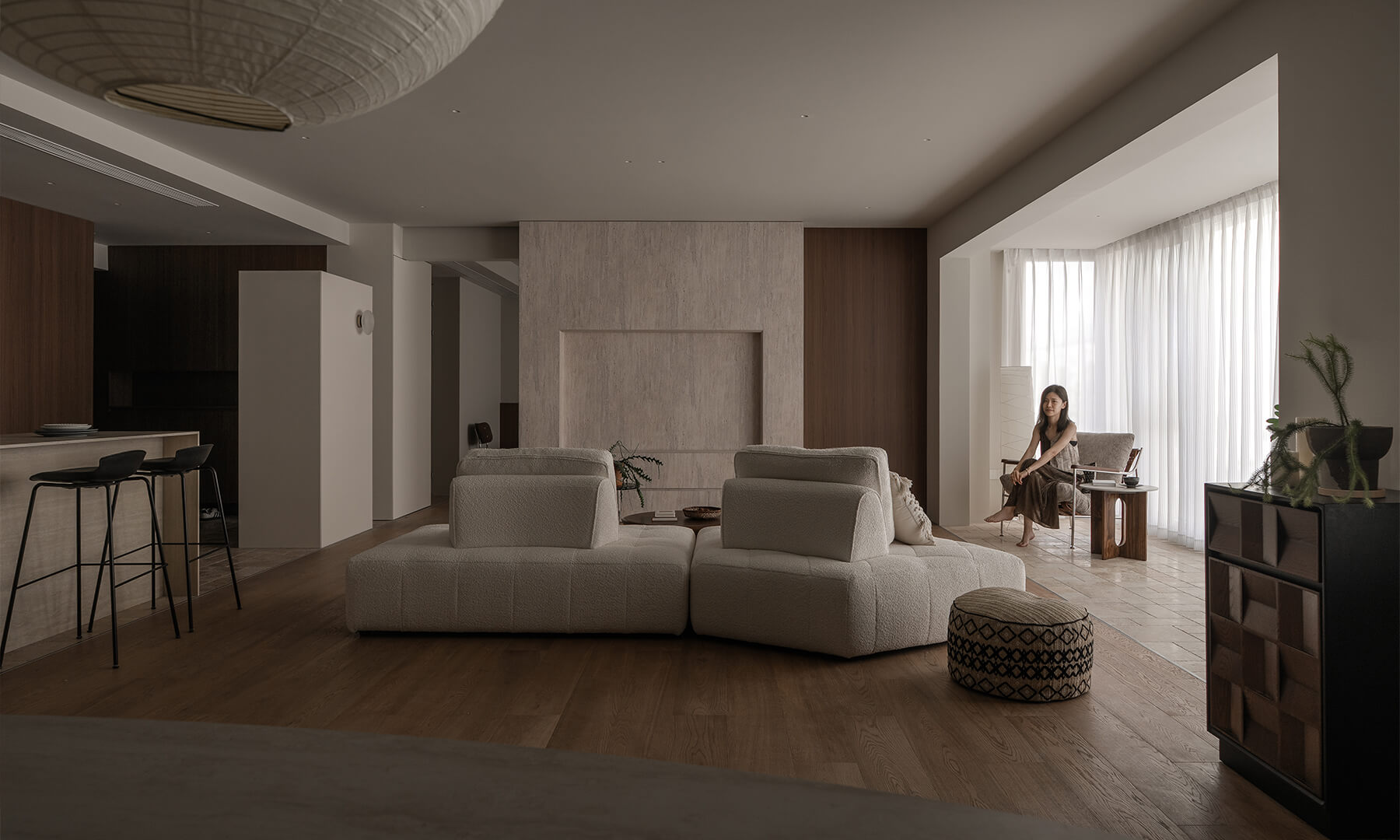
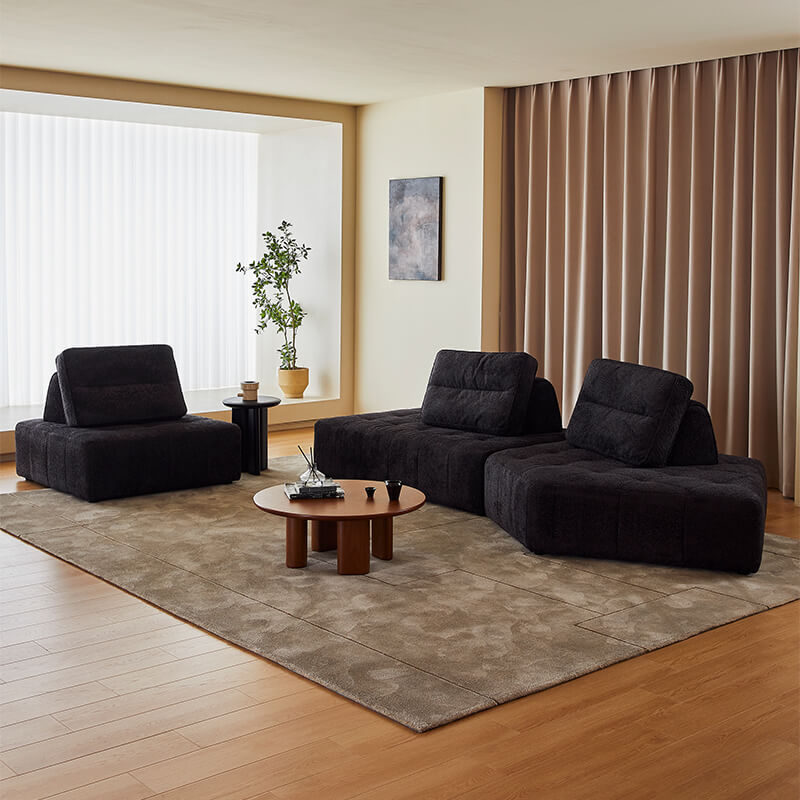
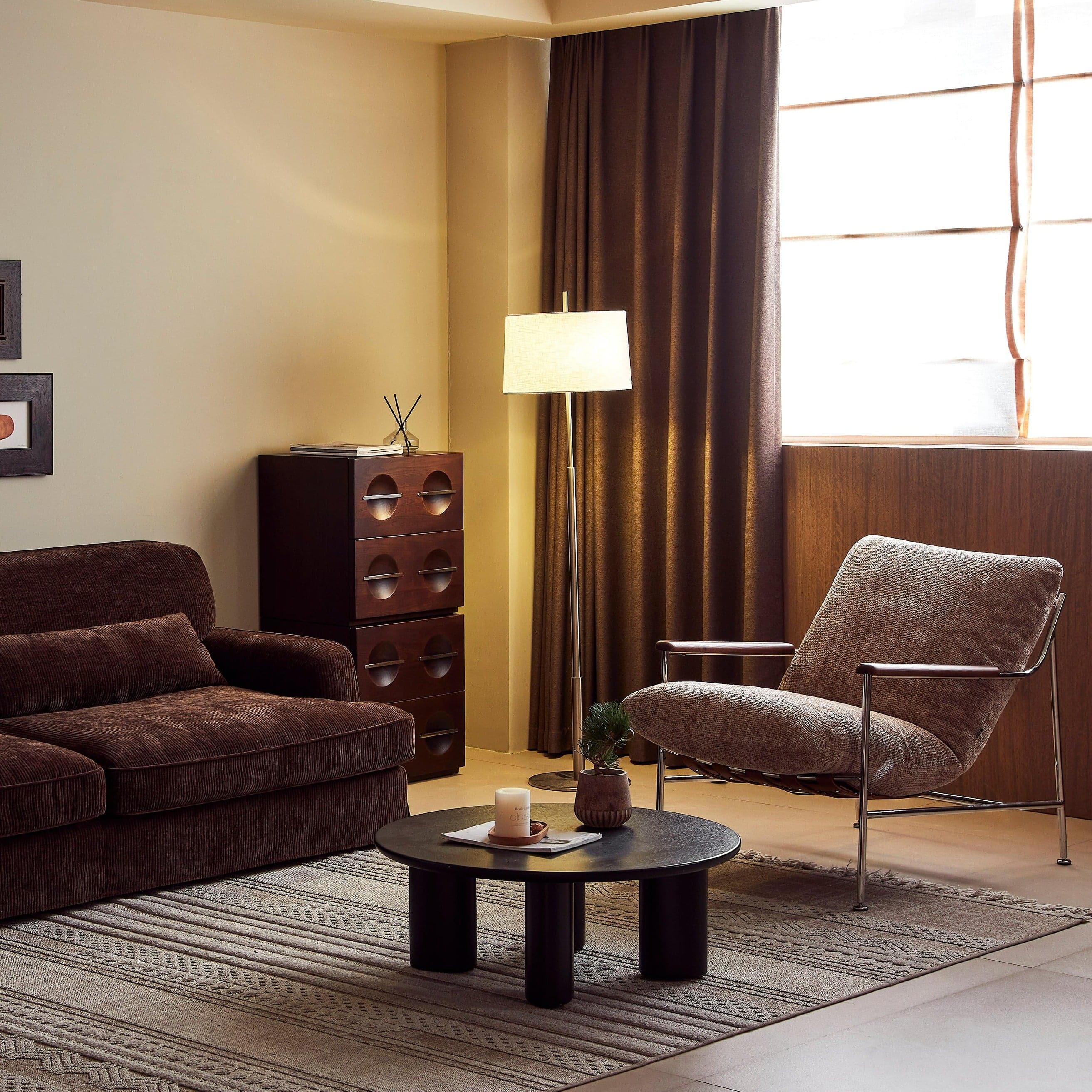
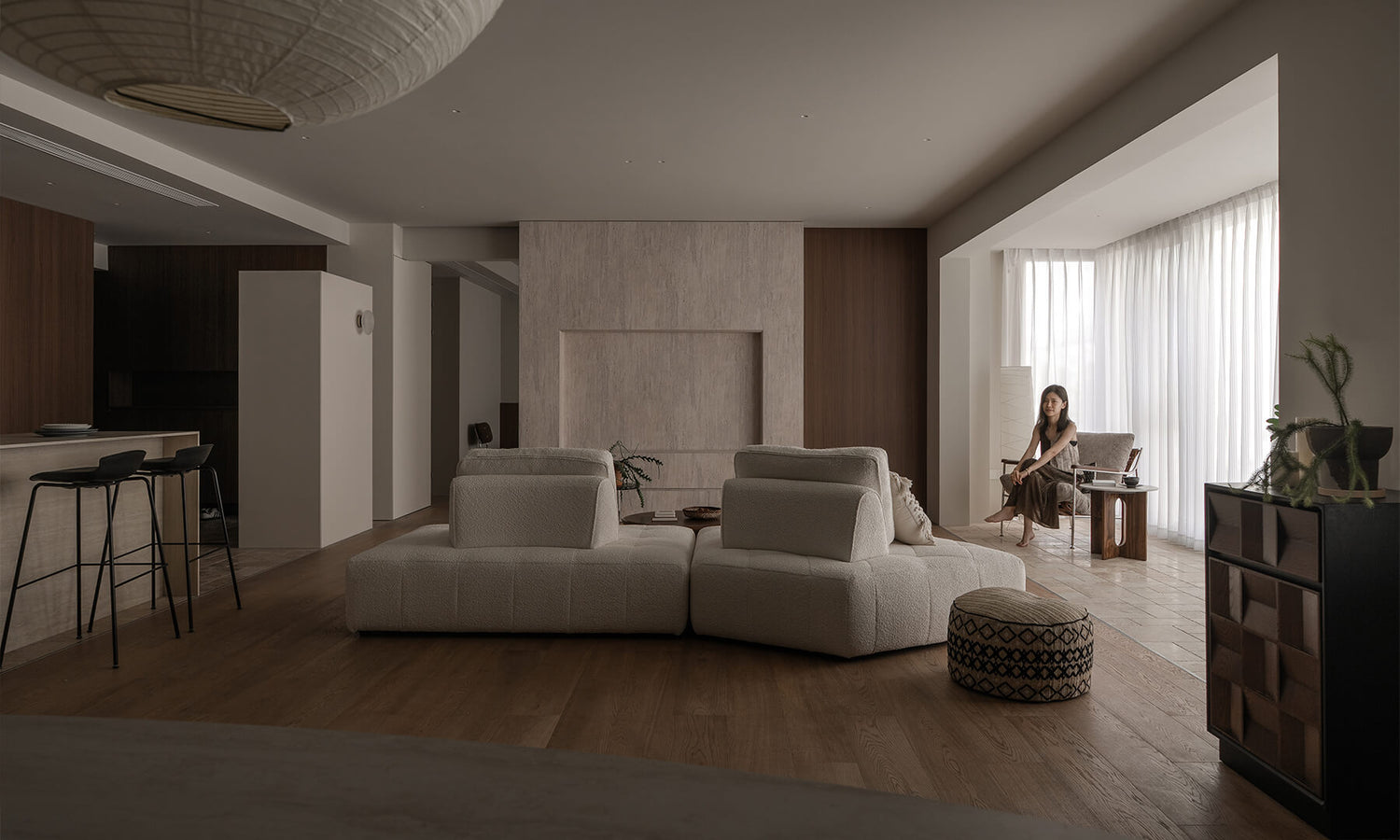
The project is located in Minhang District, Shanghai, with a floor area of 150 square metres. Based on the owner's living needs, the designer adopted ‘spatial deconstruction and reorganisation’ as the core strategy for the renovation of the floor plan. Through structural optimisation, the designer solved the problem of the original floor plan being closed off. Furthermore, through the coordinated design of traffic flow, form, and light and shadow, the designer upgraded the space in terms of both physical scale and spiritual experience, deeply matching the owner's needs for a free lifestyle.
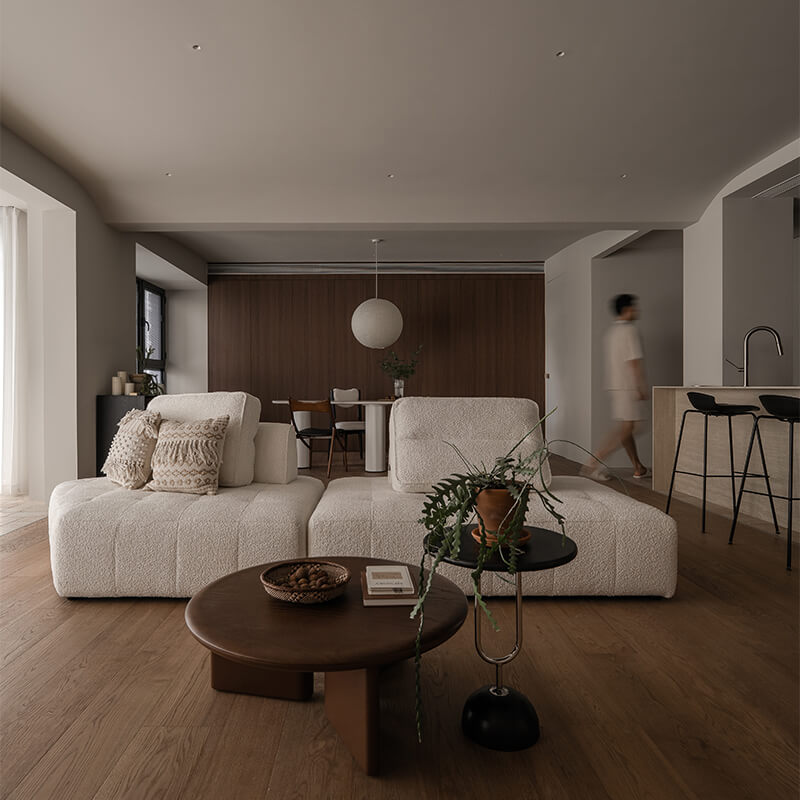
Remove the original redundant partition walls and integrate the scattered public areas into an oversized living-dining room core area. At the same time, through the construction of a circulation system, the living-dining room is seamlessly connected to the open kitchen and master bedroom suite. This not only amplifies the overall scale through visual permeability but also expands the possibilities for diverse scenarios such as ‘social gatherings,’ ‘family reunions,’ and ‘solitude and relaxation’ through a flexible layout.
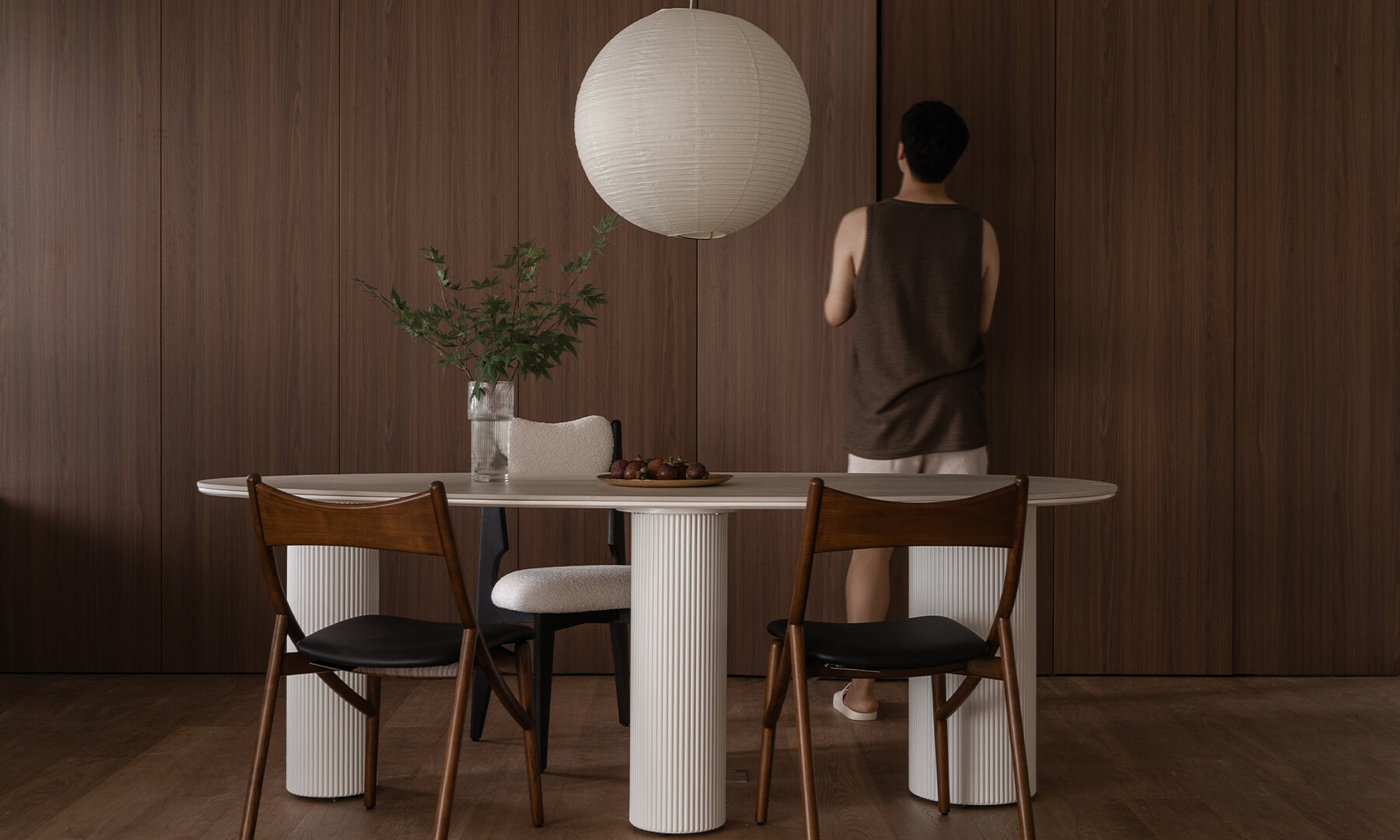
The wavy ceiling in the living room adopts a design logic of ‘form follows function’: soft curves envelop and soften the original building's sturdy beams, eliminating the impact of structural defects on the aesthetic appeal of the space. At the same time, the ceiling extends naturally from the living room to the dining room, visually connecting the two functional areas through a continuous form and reinforcing the integrity of the public space.
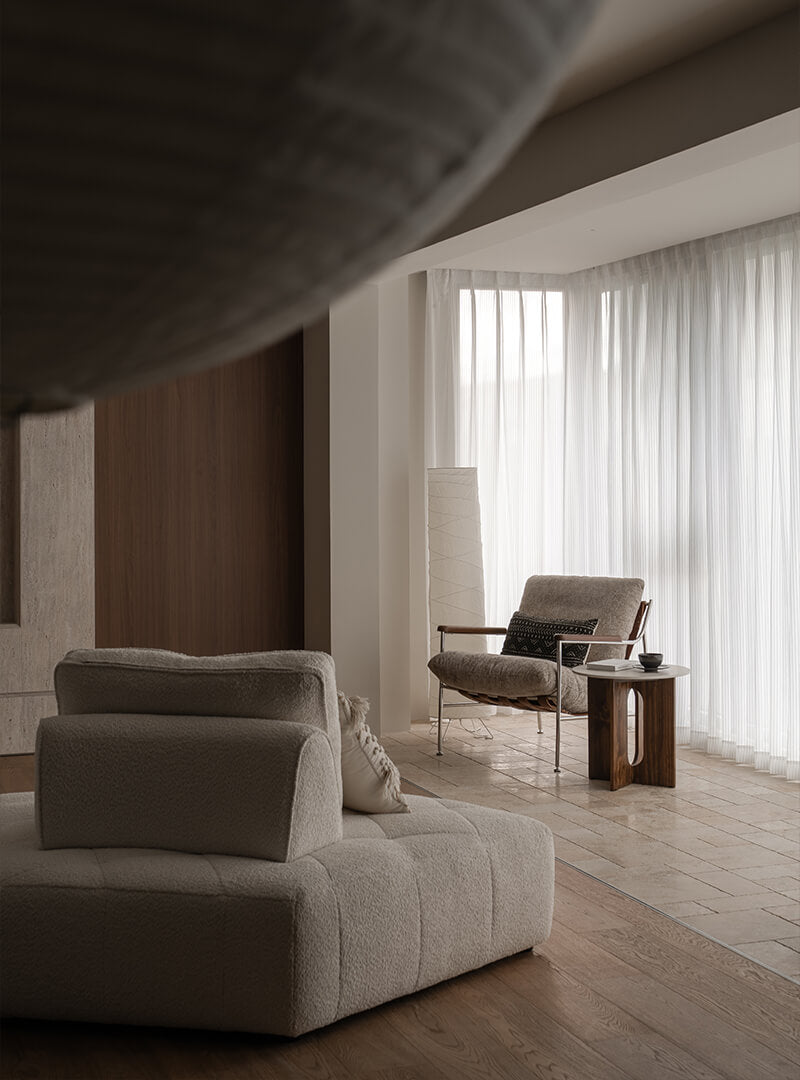
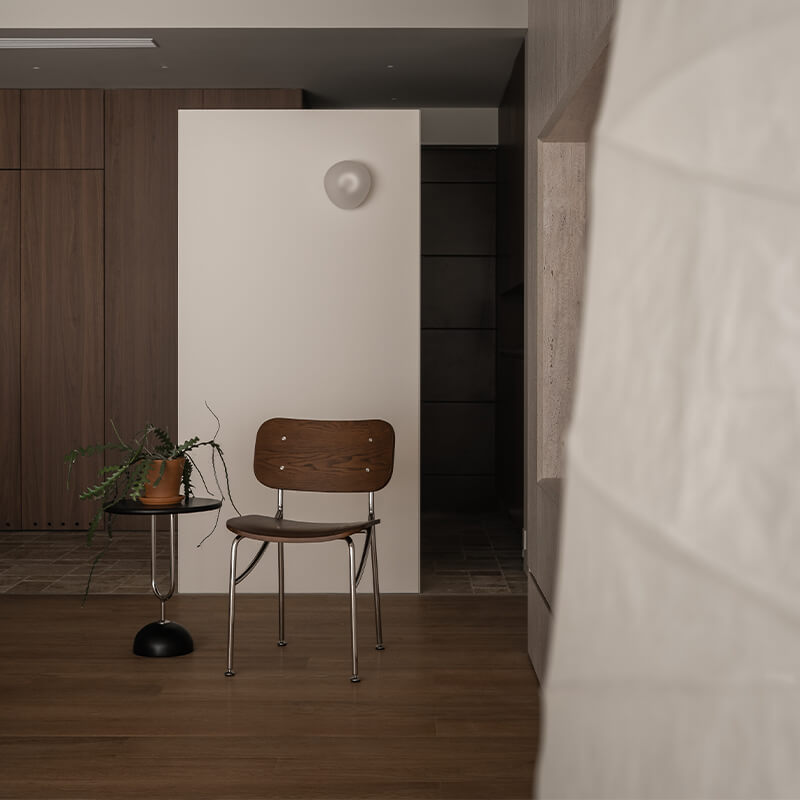
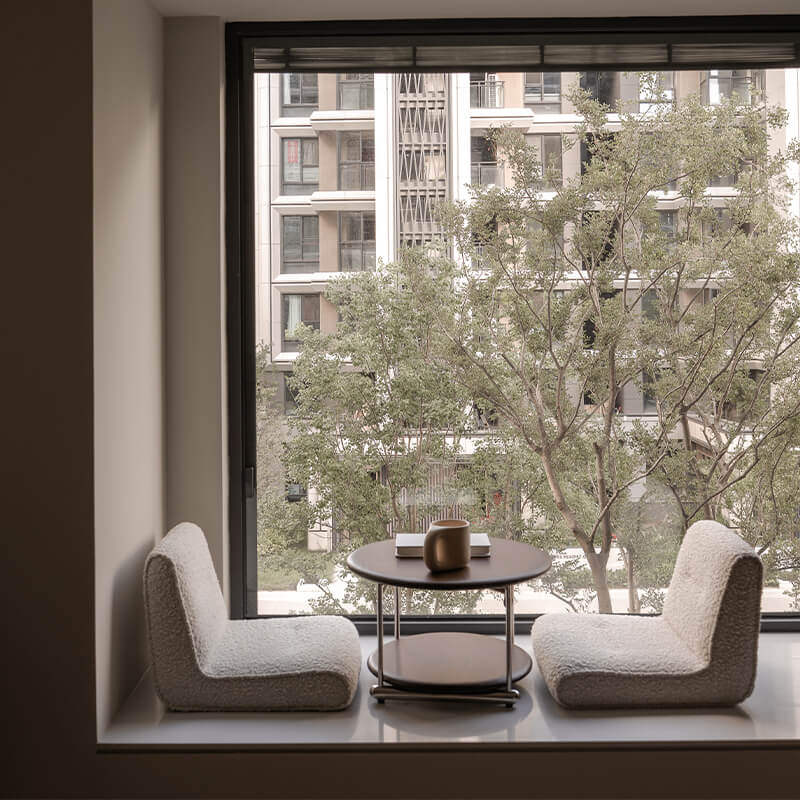
Ground-mounted linear lighting system: Low-intensity light sources extend vertically to enhance the sense of depth in the space, while soft diffuse light creates a richly layered atmospheric base. This allows public and private areas to be subtly connected through the interplay of light and shadow, further amplifying the sense of openness and immersive experience in the space.The design centres on the theme of ‘natural symbiosis,’ using a holistic design language to create an immersive ‘inner courtyard’ atmosphere indoors. From the penetration of light and shadow to the continuity of material textures, the design strives to break down the barriers imposed by architectural boundaries on the natural experience.The material system follows the logic of ‘authentic restoration,’ using woodwork, cotton-linen fabrics, natural stone, and limestone as core carriers. The inherent colours, patterns, and textures of these materials become the dominant visual language of the space, not only resonating with the owner's preference for a natural lifestyle but also making the space a physical carrier of the ‘close to nature, return to authenticity’ lifestyle, achieving a deep integration of design philosophy and lifestyle needs.